
Sailing on Puget Sound
A deeper historical look at wind-powered travel and its role in regional trade and culture.
Long before highways wrapped around the shoreline and ferries ran on fixed schedules, Puget Sound functioned as a wind-shaped roadway. People moved, traded, and understood the region through water first. The rhythm of daily life followed tides and weather more than clocks. That relationship is still baked into the landscape if you know how to look for it.
The story of sailing on Puget Sound starts well before Seattle existed as a city. Indigenous communities developed deep knowledge of currents, shorelines, and seasonal winds that allowed them to travel long distances with confidence. Later, European and American settlers relied on those same forces to move timber, fish, and people through a region that had few reliable land routes. Wind mattered. Timing mattered. Patience mattered.
Today, it can be easy to see the Sound as a scenic backdrop rather than a working system. But the habits formed during centuries of wind-powered travel still shape how the waterfront functions, how maritime culture survives, and how people experience the water. Understanding that history adds depth to every shoreline view and every boat passing across the bay.
Wind, Water, and the First Mariners of Puget Sound
For thousands of years, Coast Salish peoples traveled the Sound in expertly built cedar canoes. These vessels were designed for open water, rough conditions, and long journeys between villages. Navigation relied on intimate familiarity with currents, wind shifts, and landmarks rather than charts. Routes followed the natural contours of the coastline, turning islands and headlands into reference points that guided safe passage.
This knowledge formed the earliest foundation of sailing on Puget Sound as a lived practice, even though sails themselves were not yet part of the picture. Wind awareness mattered just as much when paddling. Knowing when afternoon breezes would build or when tides would reverse could determine whether a journey was possible at all. Travel plans adapted to nature rather than forcing movement against it.
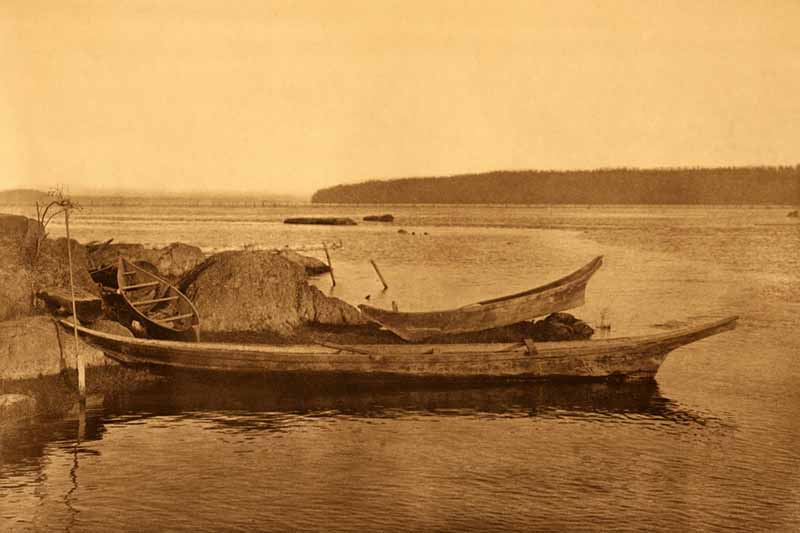
Trade networks stretched across what is now Washington and British Columbia. Canoes carried goods, stories, and family connections across wide distances. These waterways functioned as social infrastructure, not barriers. Modern museums like the Suquamish Museum help preserve this history and provide context for how deeply maritime skills shaped daily life. You can explore their work at https://suquamishmuseum.org.
The Burke Museum in Seattle also documents Indigenous maritime culture and early regional history through artifacts and oral histories. Its collections show how technology, environment, and community developed together. More information is available at https://www.burkemuseum.org.
Understanding this early period matters because later sailing traditions did not replace Indigenous knowledge. They layered on top of it, often borrowing routes, anchorages, and seasonal timing that had already been refined over generations.

Sailing on Puget Sound and the Rise of a Working Waterfront
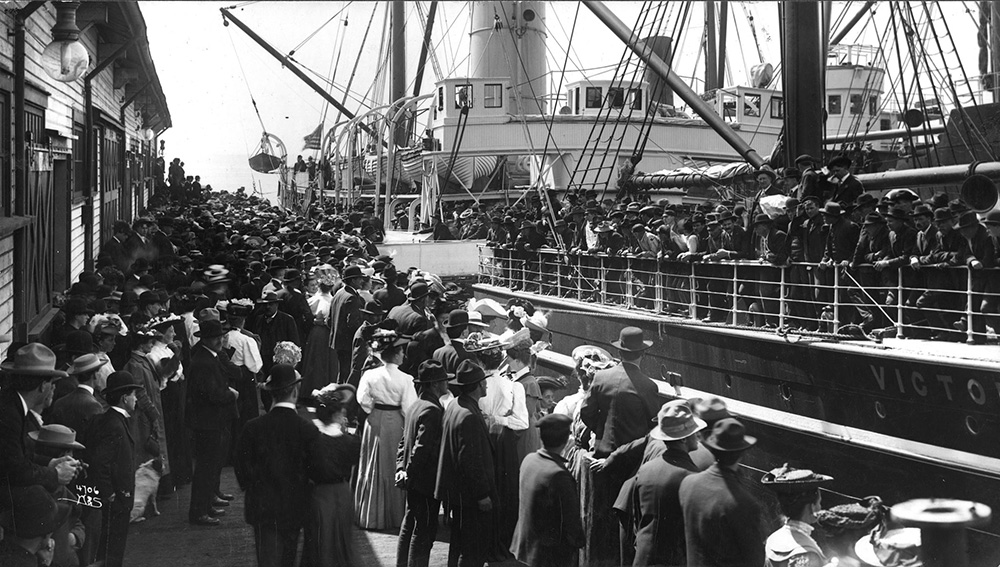
When European and American sailing vessels arrived in the eighteenth and nineteenth centuries, they entered a region already shaped by water-based travel. Tall-masted ships carried lumber, fish, and supplies between growing settlements and international markets. Before railroads connected the region, the Sound served as the primary transportation corridor.
Ports developed where geography allowed safe anchorage and access to inland resources. Seattle’s waterfront grew around these practical needs rather than aesthetics. Sawmills, warehouses, and shipyards clustered along the shore, creating a dense working environment driven by wind schedules and cargo cycles.
Sailing on Puget Sound supported industries that defined the Pacific Northwest economy. Timber exports depended on favorable weather windows. Fishing fleets timed departures and returns around seasonal patterns. Even mail and news traveled by water faster than by land in the early years.
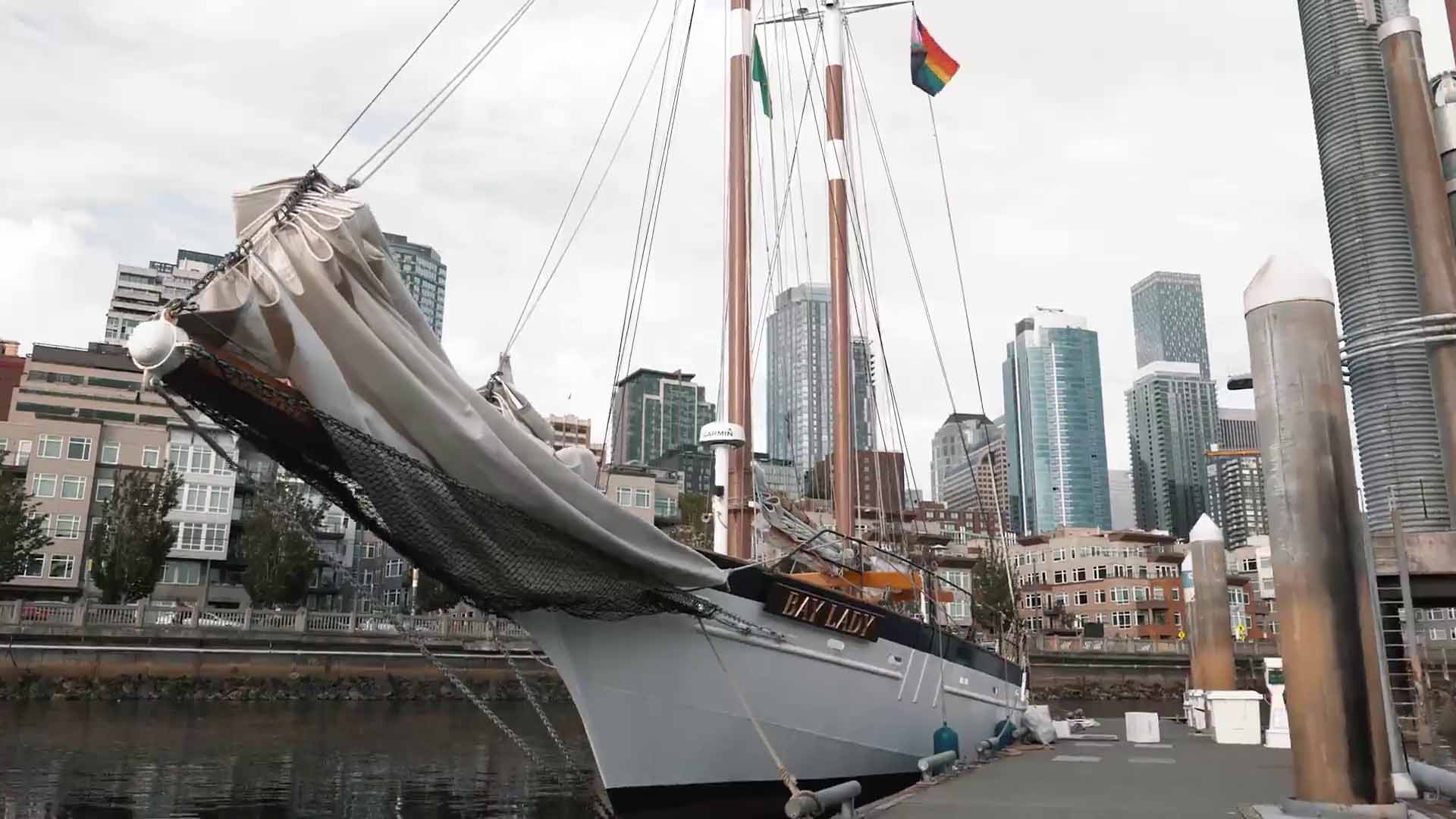
While most commercial shipping eventually shifted to steam and diesel power, traditional sailing vessels never fully disappeared from the Sound. Today, ships like Seattle’s Tall Ship’s schooner ‘Bay Lady’ continue to sail these same waters, offering guests onboard a working example of how wind-powered travel once shaped daily life along the waterfront.
The Port of Seattle documents this transformation and continues to manage a waterfront shaped by its maritime past. Historical overviews and data are available at https://www.portseattle.org.
This era also introduced a rhythm to waterfront life. Crews waited for weather. Towns waited for ships. Success depended on reading the Sound correctly and respecting its limits.
Everyday Life Shaped by the Wind
Beyond commerce, sailing influenced how people lived day to day. Waterfront families organized routines around departures and arrivals. Weather reports mattered long before they were formalized. Skills passed between generations included knot tying, sail repair, and reading cloud patterns.
Sailing on Puget Sound was not reserved for professionals alone. Small craft moved people between islands, fishing grounds, and neighboring towns. The water connected communities that might otherwise feel isolated.
Cultural events and traditions grew out of this relationship with the Sound. Boat launches, returns from long voyages, and seasonal harvests became moments of gathering. The water was both workplace and meeting place.
Institutions like the Washington State History Museum preserve stories from this period. Their exhibits and archives can be found at https://www.washingtonhistory.org.
Even today, traces of this lifestyle remain visible. Working piers sit beside public promenades. Fishing boats share space with recreational craft.
Why Puget Sound’s Sailing Legacy Still Matters
The legacy of wind-powered travel continues to shape how people relate to the water. Preservation efforts focus on maintaining access, protecting historic vessels, and teaching maritime skills that might otherwise fade.
Modern navigation relies on technology, but understanding wind and current remains essential. NOAA’s Puget Sound resources show how environmental conditions continue to affect safety and planning. Their regional information is available at https://www.noaa.gov.
Public access to the waterfront reflects this history. Parks, piers, and viewpoints exist because the shoreline has always been a shared space.
Sailing on Puget Sound remains a living thread connecting early mariners, working waterfronts, and modern visitors.
Book a sail with Seattle’s Tall Ship
If you have never experienced the thrill of sailing on our tall ship, there is no better time to try than now. With multiple sailing times and experiences available, our family-friendly harbor experiences are a must-do Seattle activity. Join us today!