
Seattle Maritime Experiences: A Local’s Guide to Museums, Tall Ships, History & Hidden Gems
Seattle feels like a city shaped by water. Salt air pushes in from Elliott Bay, ferries cut slow paths across the Sound, and the city’s older neighborhoods still rest against waterways that guided its early growth. Boats, docks, and shoreline trails weave together in a way that makes everyday life feel connected to the sea. Locals grow up around it, visitors sense it the moment they step near the piers, and the traces of history are everywhere if you know where to look. This guide is meant to help you explore Seattle’s maritime experiences with the eye of someone who lives here and still finds something new each time.
A few places act as anchors for anyone curious about this side of the city. The Museum of History & Industry (https://mohai.org/) holds some of the strongest records of the region’s water-based story. Seattle’s Tall Ship (https://seattlesailingship.com/) brings the maritime past to life from the water itself. These two points form a natural starting place for a journey through the boats, museums, shorelines, and quieter pockets that give Seattle its sense of maritime identity.
Seattle’s Foundational Maritime Museums
If you want to understand Seattle from the inside out, start with its museums. They ground the city’s maritime culture in real stories, artifacts, and preserved vessels that show how deeply the water shaped each era of growth. Some sit along Lake Union and others float on the lake itself, creating a living map of the city’s nautical past.

The Center for Wooden Boats (https://cwb.org/) has become a favorite for locals who want to stay close to traditional craftsmanship. Their boats are built, maintained, and sailed using long-practiced methods, which makes the place feel alive rather than archived. Walk the docks and you’ll see small craft lined up in neat rows, many still used for classes and community outings. It’s one of the clearest windows into hands-on maritime history.
Another essential stop is the Northwest Seaport Maritime Heritage Center (https://nwseaport.org/). Its collection includes historic vessels that remain docked and open for interpretation. The tugboats, fishing boats, and workboats moored there represent a broad sweep of regional maritime life. Visitors often walk away with a better sense of how ordinary jobs at sea helped build the Northwest economy.
The Virginia V Foundation (https://www.virginiav.org/) preserves one of the last operational steamships of its kind. The Virginia V still sails on specific dates, offering a rare look into early 20th century maritime travel. Even when it’s docked, its presence adds weight to South Lake Union’s floating history.
Across the Sound, the USS Turner Joy (https://www.ussturnerjoy.org/) serves as a floating museum and a retired Navy destroyer. Though it sits in Bremerton, its connection to the region’s military maritime history is strong and well documented.
For added context, the Washington State Historical Society (https://www.washingtonhistory.org/) maintains state-level maritime archives and digital collections that help tie these museum stops together. This bigger-picture context reinforces how much depth sits within Seattle’s maritime experiences.
Tall Ships and Hands-On Adventures on the Water
Some of the best ways to explore Seattle’s maritime world happen right on the water. Tall ships, ferries, small boats, and shoreline transportation routes each offer a different angle on the city’s relationship with the bay.
Seattle’s Tall Ship (https://seattlesailingship.com/) remains the most iconic tall-ship experience in the city. The vessel is traditionally rigged and sails along Elliott Bay, giving passengers a quiet but immersive look at seafaring practices that once defined the region. The views of the skyline feel open and calm from the deck, and the sounds of the water take over as the city noise falls behind.
The King County Water Taxi (https://kingcounty.gov/en/dept/metro/travel-options/water-taxi) adds a modern touch to the maritime picture. The route between downtown and West Seattle runs daily and gives riders quick access to Alki Beach. The ride is short but scenic, offering a wide angle on the city that surprises first-time passengers.
Longer routes through the Washington State Ferries system (https://wsdot.com/ferries/) show how locals move across the Sound every day. These ferries have carried commuters, goods, and travelers for generations. Some of the busiest routes pass through Elliott Bay, and the view leaving Seattle never gets old.
For people who prefer steering their own vessel, The Electric Boat Company (https://www.theelectricboatco.com/) rents small electric boats on Lake Union. They’re slow, simple, and easy to handle, which makes them a fun option for groups that want a quieter experience. Kayakers can enjoy their own perspective through Northwest Outdoor Center (https://www.nwoc.com/), which launches riders right into the heart of Lake Union.

Useful tips for planning:
• The calmest views usually appear before 11 a.m.
• Summer afternoons bring the steadiest breezes for tall-ship sailing.
• Families often prefer the Water Taxi for its short ride and easy boarding.
All of these hands-on adventures help add texture to Seattle’s maritime experiences without requiring much planning or specialized gear.
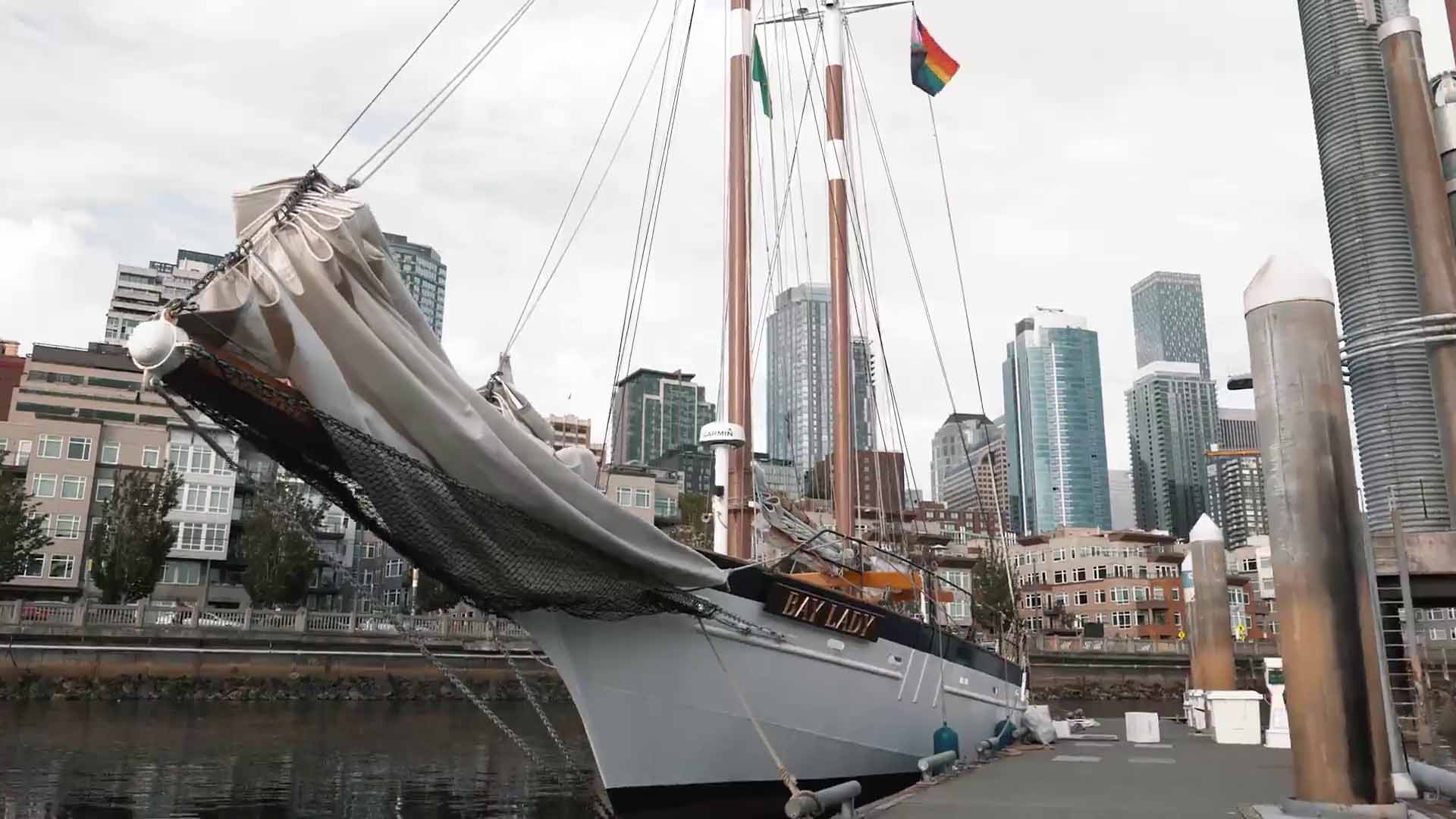
Looking for an unforgettable day on the water? Seattle’s Tall Ship’s “Bay Lady” offers a unique opportunity to experience the magic of tall ship sailing in the heart of Seattle. Step aboard this magnificent vessel and sail into history as you take in the beauty of Elliott Bay and the Seattle skyline. Don’t miss your chance to embark on a one-of-a-kind adventure—book your sail today!
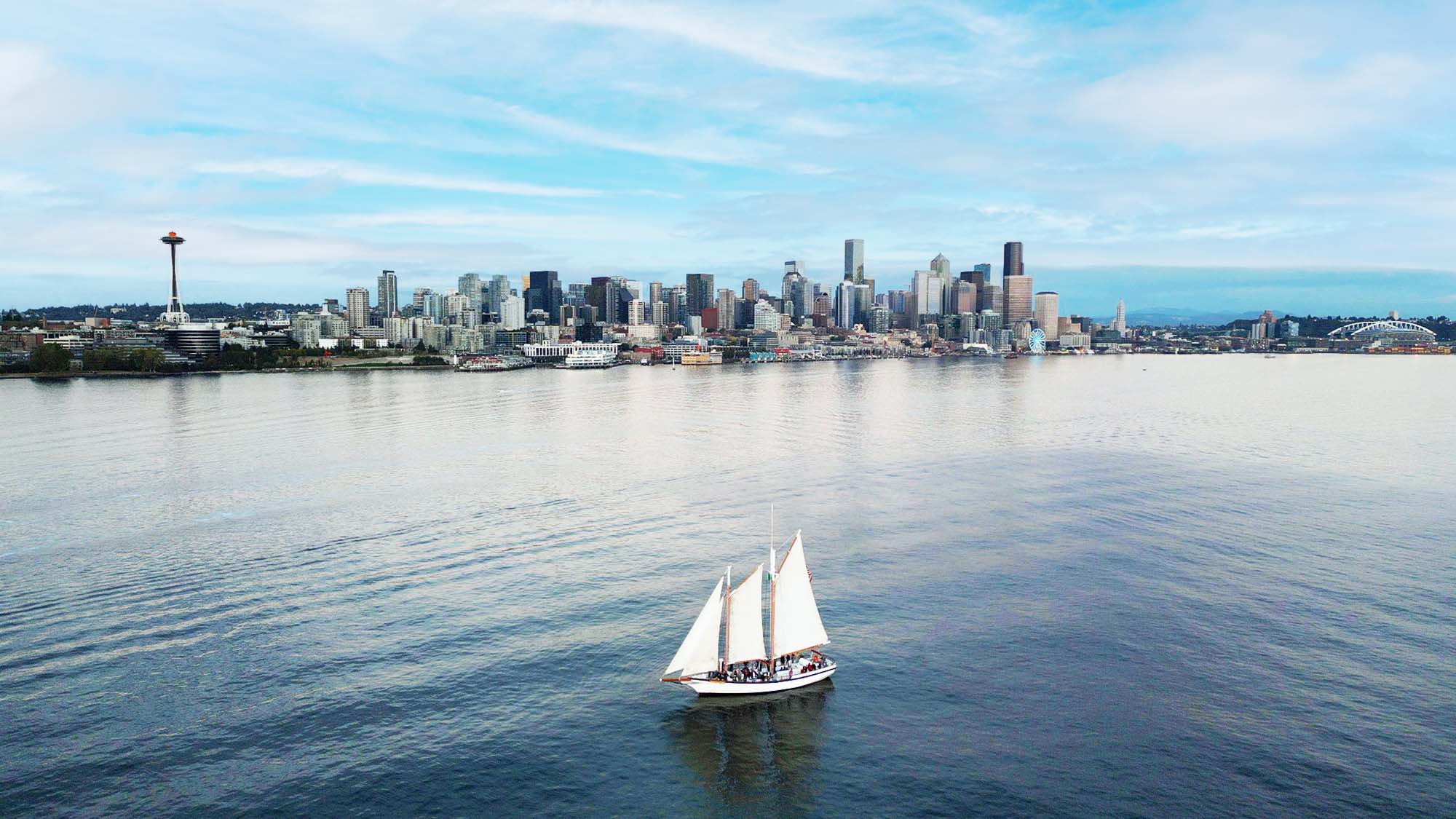
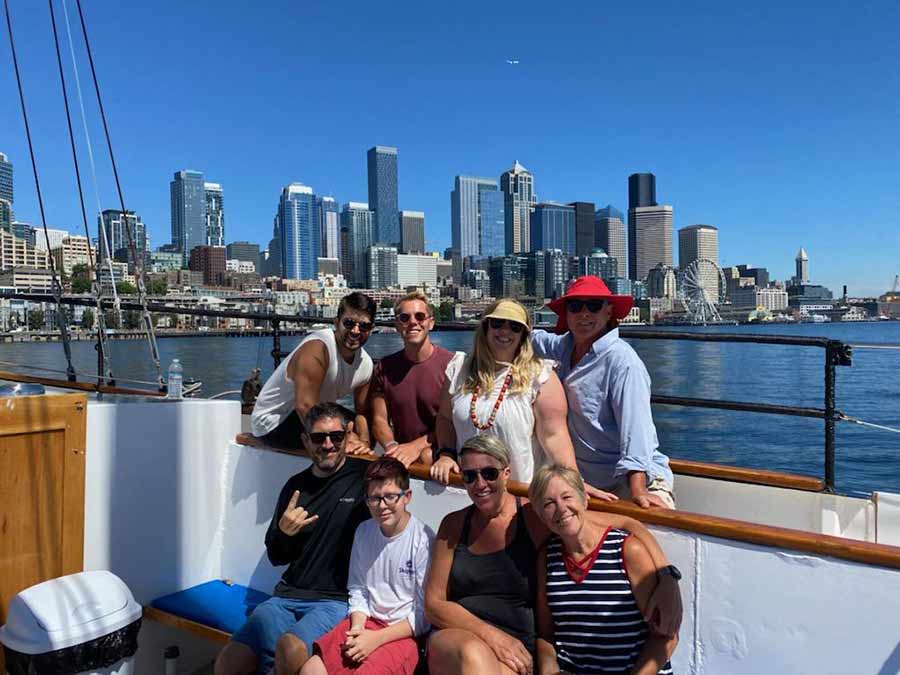

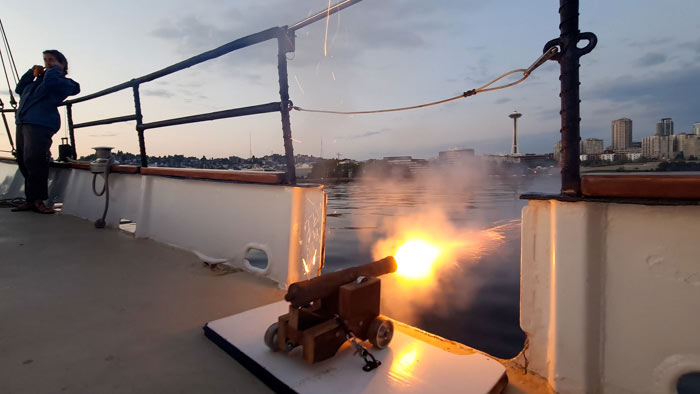
Guests enjoy the sights and sounds of a tall ship tour onboard Seattle’s Tall Ships, “The Bay Lady”.
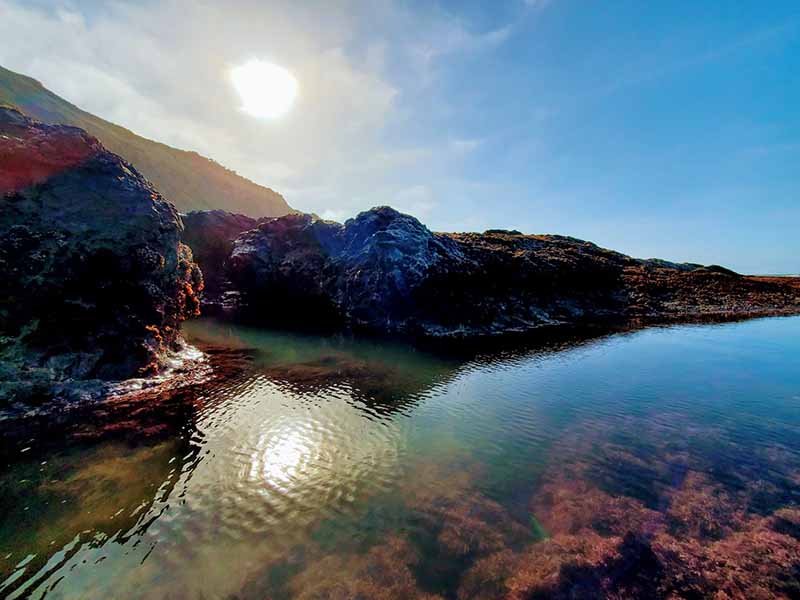
Constellation Park (https://www.seattle.gov/parks/allparks/charles-richey-sr-viewpoint) sits along a long waterfront stretch in West Seattle and offers one of the best tidal shoreline views in the city. At low tide, the intertidal zone becomes a living ecosystem where crabs, anemones, and sea stars appear between the rocks. Interpretive signs help visitors understand what they’re seeing without disrupting the fragile habitat.
Farther south, the Duwamish River People’s Park and Shoreline Habitat (https://www.portseattle.org/peoplespark) highlights an important part of Seattle’s ecological and cultural story. This restored shoreline represents years of cleanup work along the Duwamish River and honors the heritage of the Duwamish Tribe. The walking paths feel peaceful and open, and the site often draws people who want to understand the city’s industrial and cultural history from the ground up.
Another overlooked spot sits outside the NOAA Western Regional Center (https://www.wrc.noaa.gov/). The public shoreline walkway winds along the edge of Lake Washington and includes outdoor art installations tied to NOAA research themes. It’s quiet, lightly trafficked, and perfect for slow explorations.
Each of these places adds its own shape to Seattle’s maritime experiences by revealing how much variety exists beyond the busy central waterfront.
Hidden Maritime Gems You’ll Only Hear About from Locals
There’s a different side to the city that hides in small stretches of shoreline, old industrial corridors, and quiet walking paths tucked between working docks. These areas don’t usually make top-ten lists, but they form the background of the maritime culture that keeps the city moving.

Together, these neighborhoods tell a story that spans industry, culture, transportation, and daily life. The history is wide, but the shoreline keeps it connected.
Tracing Seattle’s Maritime Story Through Its Neighborhoods
Seattle’s maritime history reaches far past Elliott Bay. You can follow it across neighborhoods, waterways, and ship canals that quietly support the city’s movement and economy.
Ballard’s working waterfront remains one of the most active maritime corridors in the region. Fishing vessels, repair yards, and supply operations all operate within a small radius. The Port of Seattle (https://www.portseattle.org/) publishes ongoing updates on maritime industry activity here, which highlights how important these operations remain to the area.
To the east, the Fremont Cut and the Lake Washington Ship Canal shape the flow of boats between Lake Union and Puget Sound. The U.S. Army Corps of Engineers (https://www.nws.usace.army.mil/) oversees the canal and documents its history as one of the most significant engineering projects in the city’s past. Watching tugboats, research vessels, and houseboats move through the cut gives you a sense of how varied Seattle’s maritime traffic can be.
Farther south, Alki Beach Park (https://www.seattle.gov/parks/allparks/alki-beach-park) marks the area where the Denny Party first landed in 1851. The shoreline trail here creates a smooth walking route along wide-water views, making it a favorite for people who want something calmer than the central piers.
Exploring Seattle Through Its Maritime Spirit
Seattle reveals itself best through its waterfronts, museums, and working waterways. Each dock, ship canal, and shoreline trail adds to a picture that keeps changing but never loses its roots. Exploring these places gives visitors and locals a deeper appreciation for how the city grew and where its rhythms still flow today. By taking time to wander the museums, step aboard a tall ship, or pause at smaller shoreline spots, you get a fuller sense of Seattle’s maritime experiences and how they continue to shape the character of the city.
Frequently Asked Questions
Book a sail with Seattle’s Tall Ship
If you have never experienced the thrill of sailing on our tall ship, there is no better time to try than now. With multiple sailing times and experiences available, our family-friendly harbor experiences are a must-do Seattle activity. Join us today!